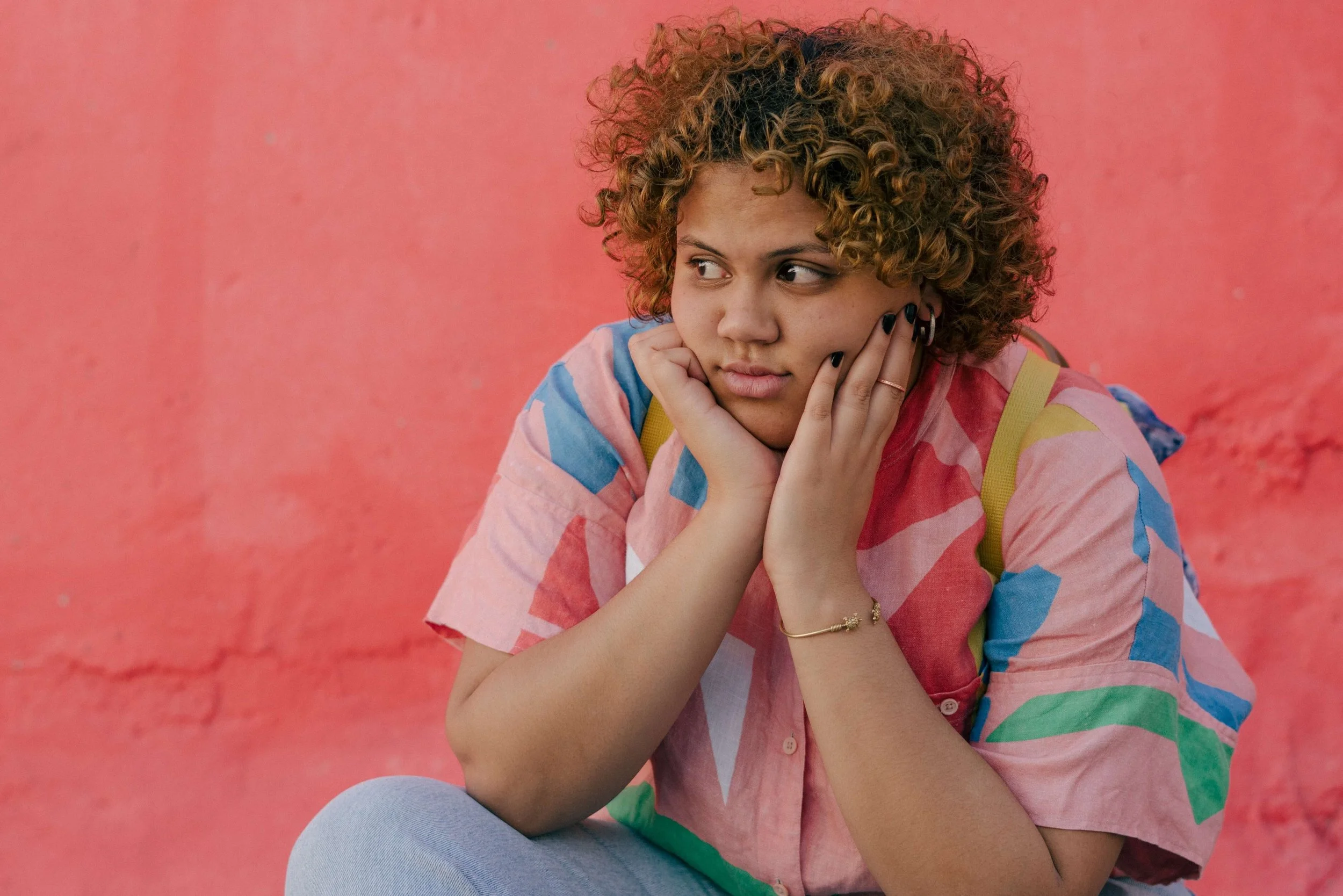
For those who struggle with body image shame, the question can arise: “Am I to the point of having body dysmorphic disorder (BDD)?” Others may wonder if how they are feeling is actually a deep internalization of anti-fat bias. But still, can’t seem to shake the belief that their body is inferior, even though intellectually they know it’s likely driven by bias. In this episode, I break down what BDD is and how it’s different from body shame, and I also talk about the influence of anti-fatness on both. Plus, surprise surprise, there seems to be some anti-fat fuckery happening in the way BDD is diagnosed and finally - ever heard of body dysmorphic disorder by proxy?! TW: brief mentions of EDs and su!c!de.
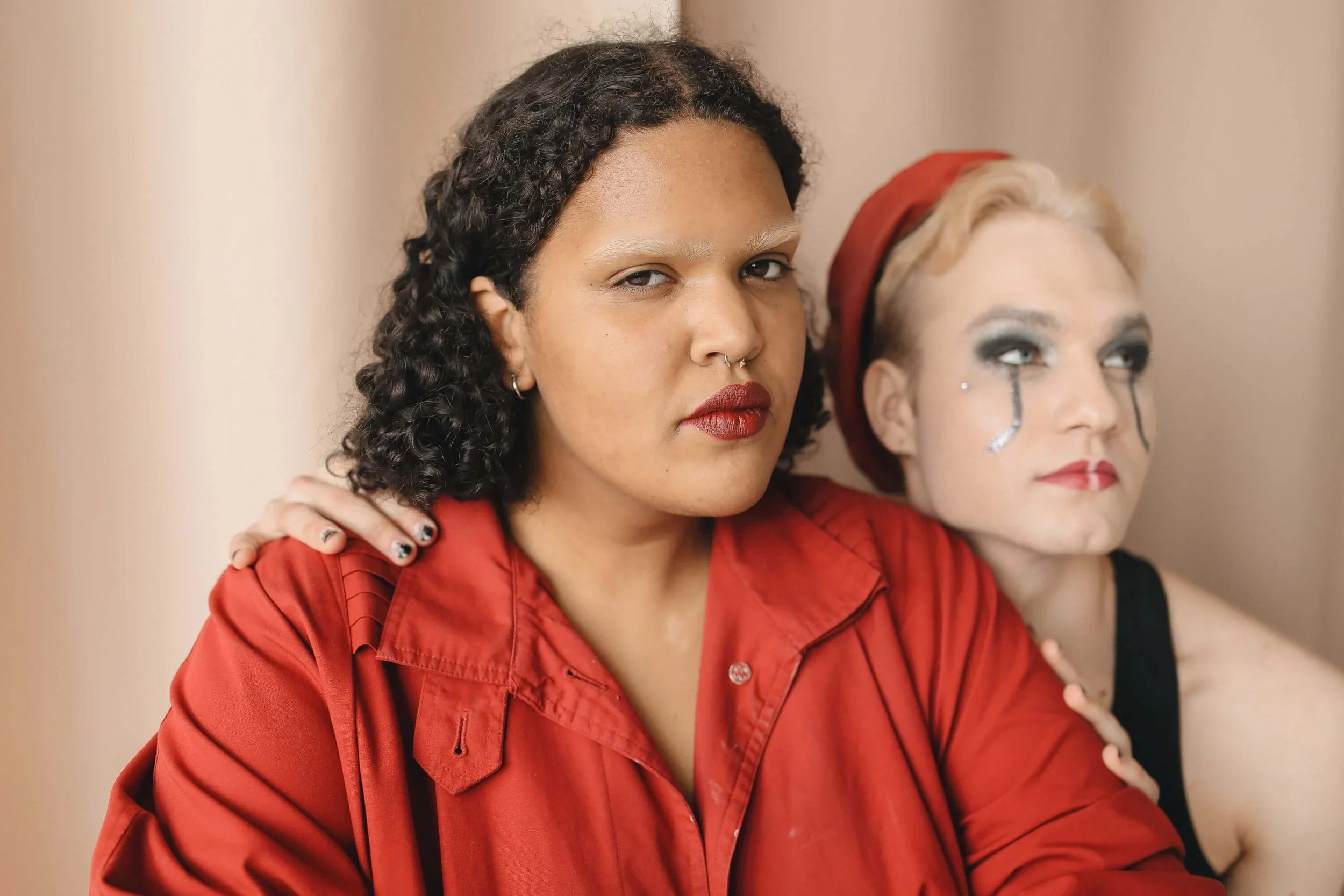
Have you ever thought, “Starting this new diet is going to make me healthier, thinner and more attractive! The upsides totally outweigh any small negatives.” I know I have, but that was before I came to know the sometimes devastating harm intentional weight loss can cause - to our minds and our bodies. Dieting isn't a benign or neutral intervention for many people, and in this episode I outline what actually happens in your body and brain when you start that “healthy” cleanse or “balanced” diet. TW: mention of eating disorder behaviours, specific calories and self-harm.
It's been 10+ years since I first discovered fat liberation...here's what I've learned. In 2014, I discovered fat liberation and have been talking about it since. So after all these years, I wanted to share my top takeaways about body image, being fat on the internet, the common fears we share, and more. TW: mention of body image struggles in childhood. Like the podcast? Leave a review where you listen!
Some things to consider if you are struggling with the judgements of others:
1) People judge others negatively, and that sucks; I’m sorry you have to go through that.
2) Some people will judge you very harshly and unkindly. Some people will think of you neutrally or positively. Some people are hyper-focused on themselves and whether or not you are judging them negatively…
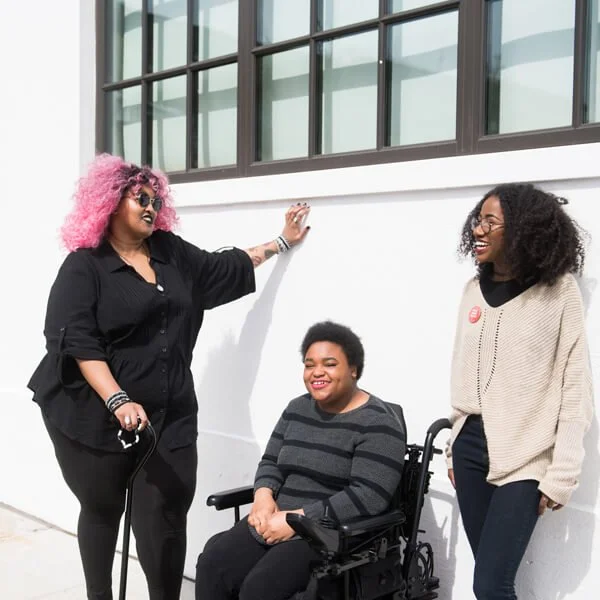
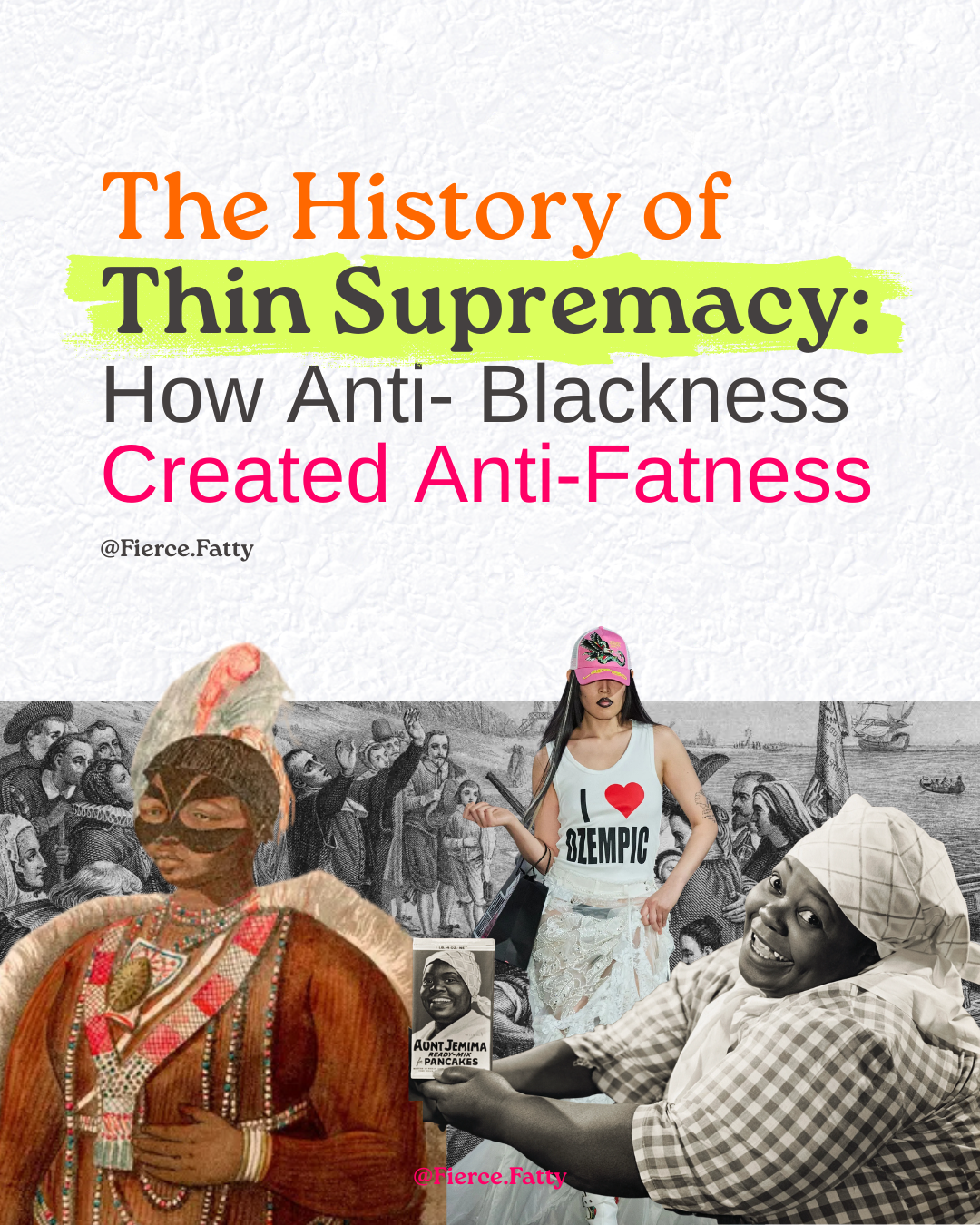
For many of us, the story we've been told about fat bodies seems pretty logical: being fat is unhealthy. We know that society stigmatizes fat people because they “choose to be fat” and “drain public resources.” Others who view body diversity more favourably would argue that it’s not the fault of people in bigger bodies that they are the way they are (because fatness is a “disease”), but it’s still important to be healthy, i.e. in a smaller body. We are taught that concerns about weight are rooted in science, medicine, and a desire to improve individual and population health outcomes.
Anti-fatness didn’t begin with medicine. In reality, the beliefs that fat people are unhealthy as well as lazy, unintelligent, undisciplined, unattractive or less worthy have deep roots in religion, the enslavement of Black bodies, colonialism, “scientific” racism, sexism and social control. It was never about health.