
10 Lessons From 10 Years in Fat Liberation
It's been 10+ years since I first discovered fat liberation...here's what I've learned.
In 2014, I discovered fat liberation and have been talking about it since. So after all these years, I wanted to share my top takeaways about body image, being fat on the internet, the common fears we share, and more.
TW: mention of body image struggles in childhood.
Psst: Want to listen to this post as a podcast episode? I got you! Click here for episode 209 of The Fierce Fatty Podcast: 10 Lessons From 10 Years in Fat Liberation
1. People are now more (surface-level) accepting of fat folks.
In 2014, when I began writing things on the internet, the vitriol that was directed at me because I suggested fat people were deserving of dignity and equal access in the world was staggering. It was rare to speak to someone who agreed. Now, it seems more mainstream that fat people…are human (lol, sob), and I’m not met with the same universal disdain. Although there is still a HUGE way to go, it’s gotten better in the last decade.
2. There will always be cycles of a “miracle cure” and “heroin chic.”
There have been Fen-Phen, Atkins, Weight Watchers, weight-loss surgery, intermittent fasting, jaw wiring, the tapeworm diet, Ozempic, and many more. There’s always been the next best thing to “cure” fatness, and there always will be. Learning how to survive and recognize these waves of frenzy over “miracle cures” and the harder pushes for thin supremacy will help us stay resilient throughout life.
TW: mentions of horrific weight loss devices in the two images below.
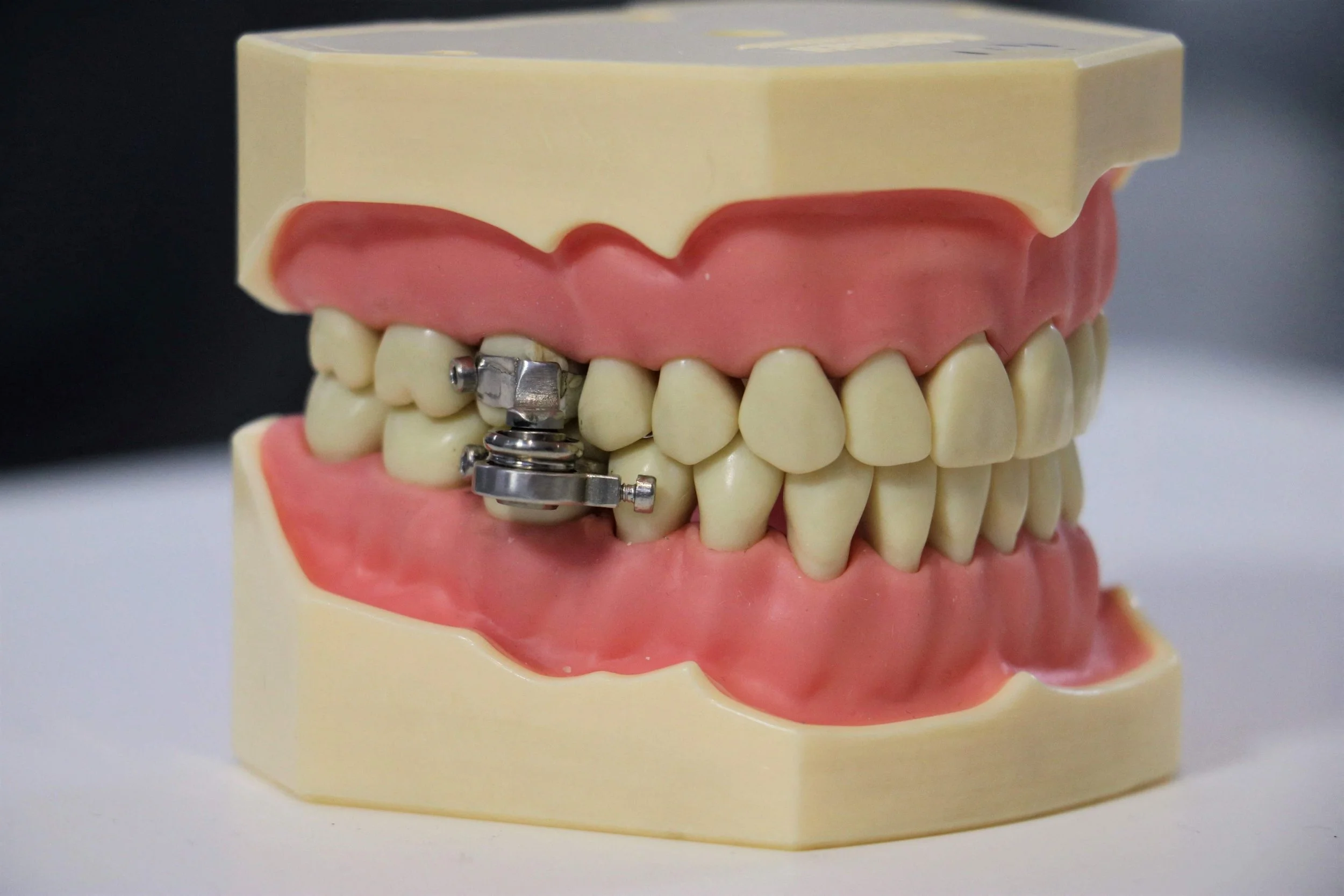
The DentalSlim Diet Control - a jaw wiring device that uses magnets, which was released in 2021. It would only allow the jaw to open 2 millimetres, and you’d need an emergency release tool to disengage it.
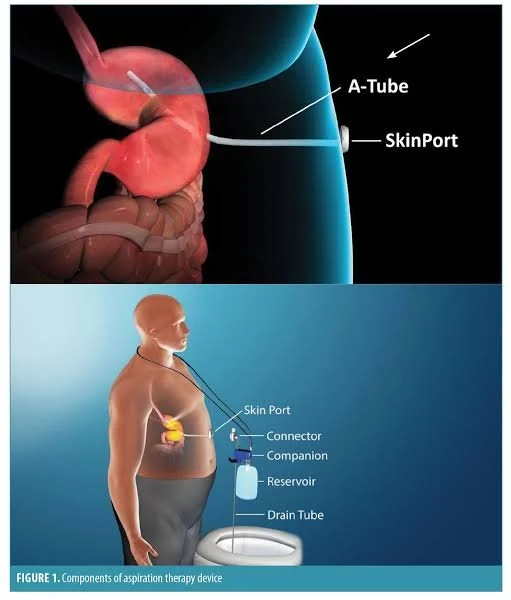
Aspire Assist - a weight loss device, approved in 2016, where a port was attached to the stomach. After eating, the user would open the port and empty the contents into the toilet.
3. Anger and shaming or self-righteousness can’t be my driving force (but it’s an important stage of identity and the process).
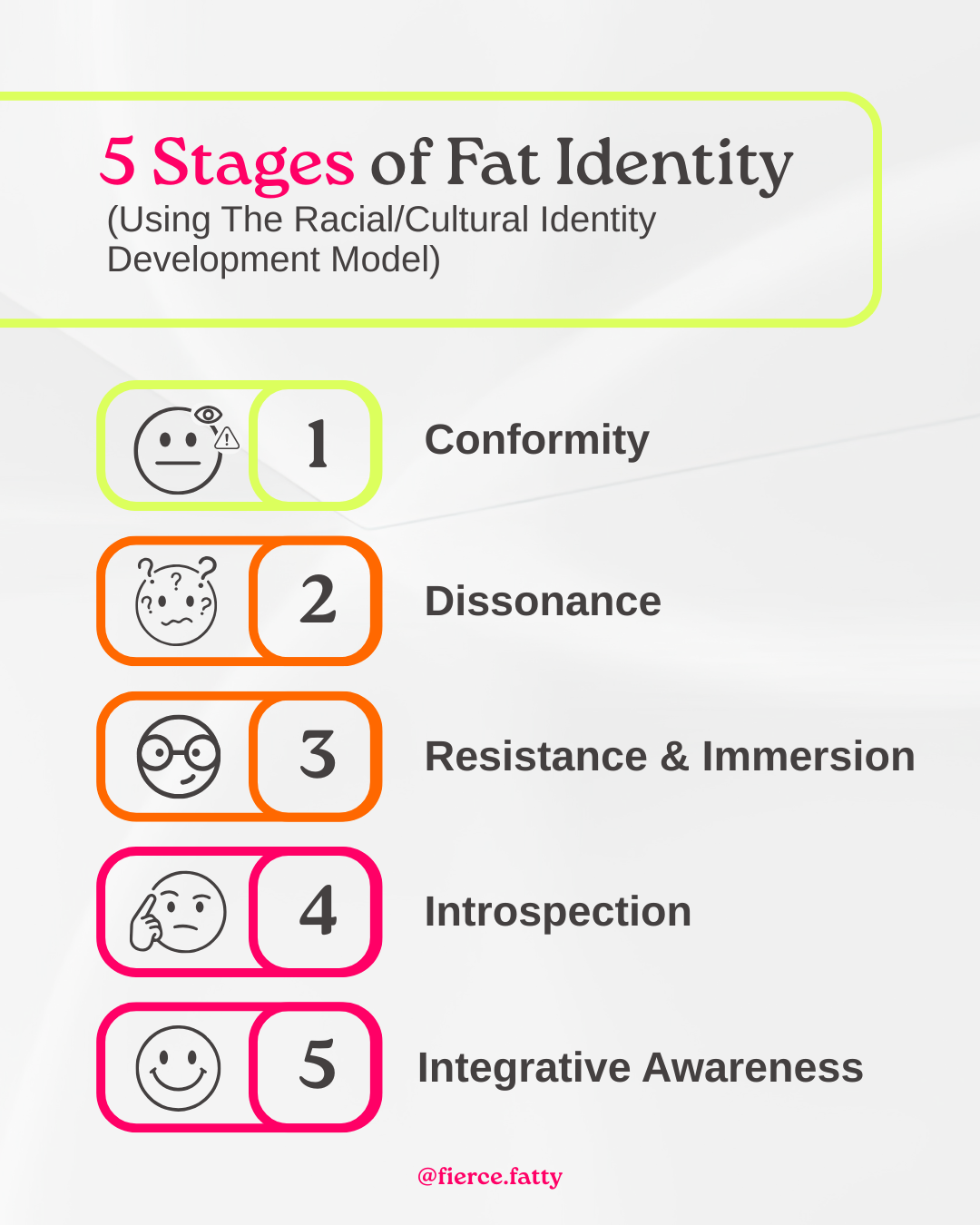
The 5 Stages of Fat Identity
In episode 205 of the Fierce Fatty Podcast, I talked about the stages of fat identity. When you're new to fat liberation, it's common to feel angry after realizing how anti-fat bias has duped you for years. I noticed I sometimes became self-righteous, seeing people still immersed in diet culture as inferior. But finding my fat identity is a privilege, and judging others doesn't align with my values or help create change. It's also a normal and important part of the process to move through these different emotions.
4. People who struggle with body image almost always had adults who body-shamed them as a kid or put them on a diet.
Over the last decade, I have spoken to hundreds of people who are struggling with body image and the one clear theme I see: As children, adults told them their bodies were wrong (and those same adults are making similar comments still). The stories I have heard are heartbreaking, mind-boggling, and, unfortunately, incredibly common.
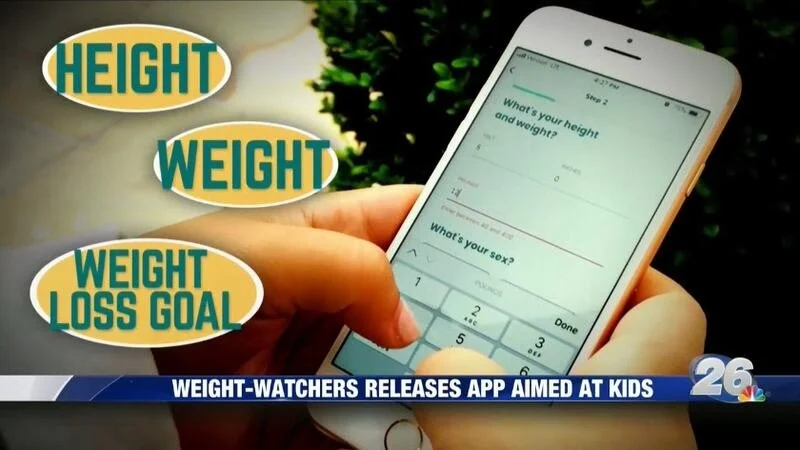
Kurbo, the WeightWatchers app for children aged 8 and up, was released in 2019.
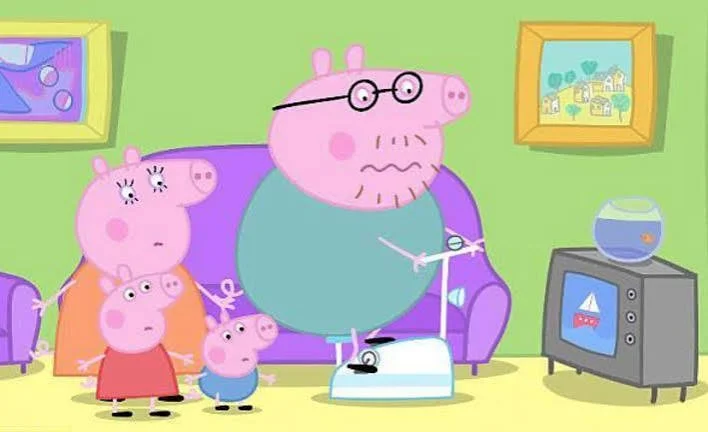
Not only do children deal with adults shaming them, but the media they watch is also rife with harmful messages. Kids' TV show Peppa Pig has been criticized for continually fat-shaming Daddy Pig. Children are exposed to anti-fat messaging everywhere.
5. People underestimate the power of being surrounded by anti-fat, diet culture messaging.
We live in an anti-fat world, and those messages can have dramatic effects on the way we see ourselves. It’s not reasonable to think we can just rawdog those harmful messages day in, day out and also have a peaceful relationship with our body and unlearn anti-fatness/diet culture. Recognizing what makes you feel shit about yourself and protecting yourself are important.
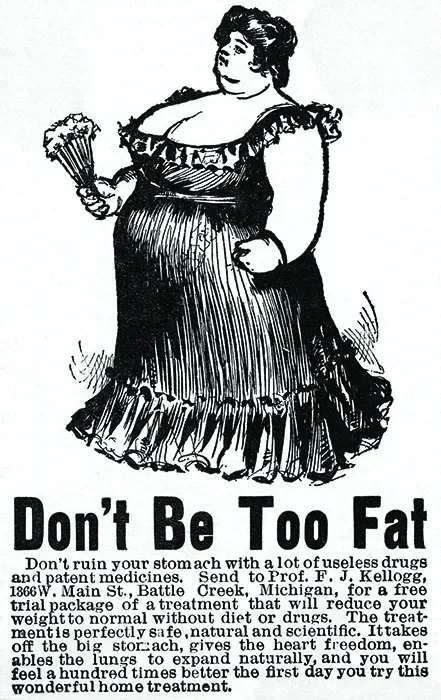
We have been surrounded by weight loss advertisements since the 19th century.
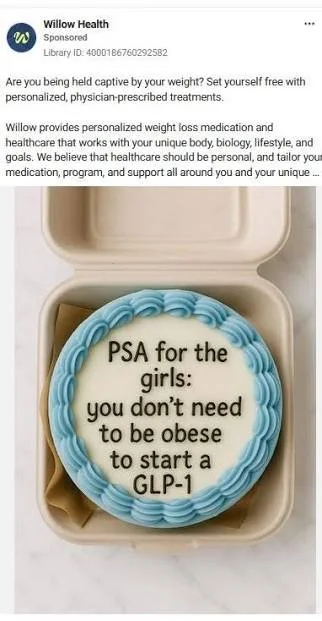
Now, GLP ads target girls
6. It’s really hard for people to let go of healthism and ableism, even well-meaning people working hard on this stuff.
I feel like healthism and ableism are some of the last parts of unlearning anti-fatness. It’s much more acceptable to talk about health vs appearance when focusing on your body. The terror of getting a condition associated with fatness is intoxicating for many people - sometimes their worst nightmare. Unfortunately, it’s really sticky to unpick the healthism and ableism, but it’s doable!
Common things that indicate a struggle with healthism or ableism:
Saying “It’s ok to be fat.....as long as you’re healthy!!”
Feeling like you need to “make up” for being fat by exercising or eating “healthy”
Thinking that becoming disabled or having a condition as a fat person is evidence that the person "did it to themselves."
7. Fat celebs will disappoint us.
Even on the earliest episodes of the Fierce Fatty Podcast, I was talking about fat celebs losing weight and the feelings of sadness many people can have. Unless a fat celeb specifically states they support fat liberation, there’s a strong chance they’re going to be influenced by the pressures of anti-fatness and attempt weight loss, then maybe even throw fat people under the bus.
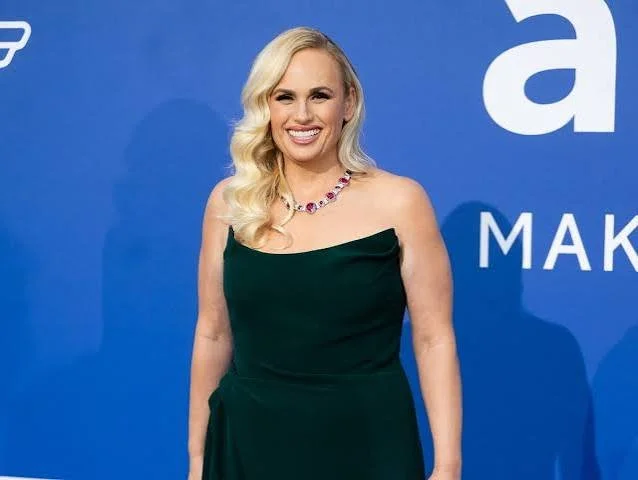
Rebel Wilson, who played Fat Amy in Pitch Perfect, is one of many celebs who championed body diversity and has since lost weight.
8. Unlearning anti-fatness was the beginning of unlearning SO MUCH.
Fat liberation opened a door to Narnia for me. I was so deeply drowned in shame about my body, and isolated by that shame, that there was no chance I could ever explore other ways in which I was making myself figuratively small. After unlearning anti-fatness, I realized that I am nonbinary, queer, AuDHD… and have challenged my thinking on other topics, like colonialism and white supremacy. I was kept distracted and humiliated by believing my body was wrong. But no longer.
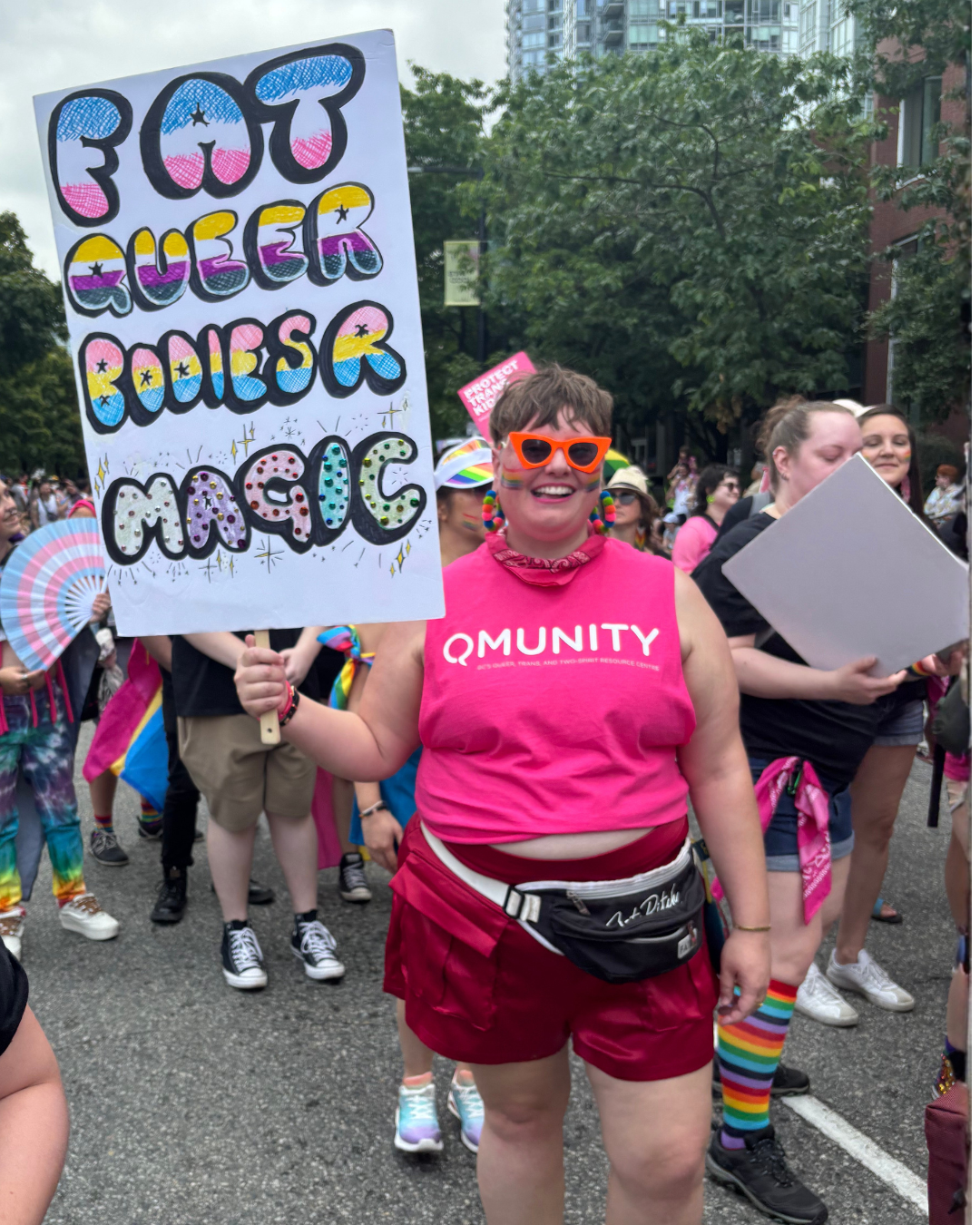
Vinny Welsby celebrating Pride
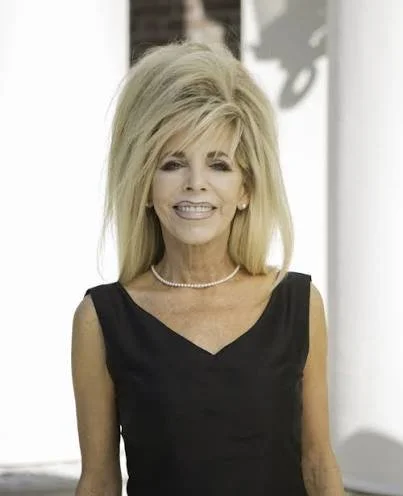
Gwen Shamblin Lara, founder of The Weigh Down, a Christian diet program. She preached that people should turn towards god instead of food and amassed a fortune with 30,000 participating churches. Many concerns were raised around Shamblin’s methods. Gwen Shamblin Lara is an example of someone who seemed content not to challenge anti-fatness or diet culture due to the rewards they gave her.
9. Some people don’t want to unlearn anti-fatness and are content in diet culture.
I was so sure that other people would be as delighted as I was when I discovered fat lib and enthusiastically spread the word to people who didn’t even ask. I thought I could “save” people from the pain of searching for a thin body. In reality, I was likely annoying and often counterproductive. Everyone is on their own unique journey, and being here as a source of education if they are ever interested is now my tactic. If dieting brings people happiness, then I’m pleased they have it.
10. We are isolated by our shame, unaware that most of us share the same fears.
I had these deep, dark secrets and fears, and I thought they were so unique to me. I thought that no one else was dealing with such a “disgusting” body like I was. Turns out that so many of us are connected by the same fears - I’m too much, I’m not enough. My belly is too big, my tits are too saggy. Am I a bad person? Do my friends secretly hate me? I’m lonely. I'm scared to be vulnerable. Am I about to be fired? My partner is lying about finding me attractive; that other person is more attractive…I find comfort knowing that we are together, such sweet, silly little worriers and sharing these fears with each other brings connection because shame cannot survive the light.
Continue Your Learning & Unlearning
If this resonated, you’re not alone. Many of us are navigating the tension between wanting to dismantle anti-fatness while still feeling its impact in our own lives and bodies.
This work happens on multiple levels - personally and systemically.
You can start here:
Download the Body Image Recovery Handbook for free to deepen your understanding of anti-fat bias and body image
Continue your personal unlearning journey with the Size Diversity Resource Guide (free when you join the lowest tier on Ko-Fi)
Bring this work into your workplace through size-inclusive training and consulting with Weight Inclusive Consulting
Follow along for ongoing tools, education, and real talk about dismantling anti-fatness
You don’t have to figure this out alone - and you don’t have to do it perfectly to begin. Remember, you are worthy, you always were, you always will be. Stay fierce, fatty!
About the Author:

Vinny Welsby (they/them) is a fat activist, diversity, equity and inclusion leader and founder of Fierce Fatty and Weight Inclusive Consulting. They have been a leading voice in dismantling anti-fat bias and diet culture for over a decade, a TEDx speaker, a podcast host, and a master's student in psychotherapy. Vinny is trans-non-binary and is dedicated to shifting how society views fat and queer bodies through education and compassion.
When Vinny isn’t talking about DEI stuff, they love snuggling with their dog, cross-stitching swear words and singing in a pop choir.
Follow Vinny on Instagram, Facebook or LinkedIn or get their free resources: the Body Image Recovery Handbook or How to Make Your Workplace Size Inclusive (or check out many other free resources here).
Sources Mentioned in the Podcast:
Oprah diet history IG post: https://www.instagram.com/p/C4qzbt4yQmA/?img_index=1
Stages of Fat Identity: Signs You’re Thriving or Trapped https://www.instagram.com/p/DXZeCH0ge0G/?img_index=3
NYT “Confessions of a Former Body Positivity Influencer”: What It Gets Wrong https://www.instagram.com/p/DWVJ-IgkkJ9/?img_index=1
Links for Fierce Fatty Podcast episodes mentioned:
185: Oprah Leaves WW Board After Using Weight Loss Drugs: https://fiercefatty.com/185
205: Stages of Fat Identity: Signs You’re Thriving or Trapped: https://fiercefatty.com/205
30: When Your Partner Says They Don’t Find You Attractive: https://fiercefatty.com/030
99: Did Rebel Wilson Gain Weight To Become Famous?: https://fiercefatty.com/099
203: NYT “Confessions of a Former Body Positivity Influencer”: What It Gets Wrong: https://fiercefatty.com/203
54: When Your Fave Fat Celeb Loses Weight: https://fiercefatty.com/054
28: My Story of Domestic Abuse: Part 1: https://fiercefatty.com/028
29: My Story of Domestic Abuse: Part 2: https://fiercefatty.com/029